
Cumbernauld New Town - Study Visit
Free
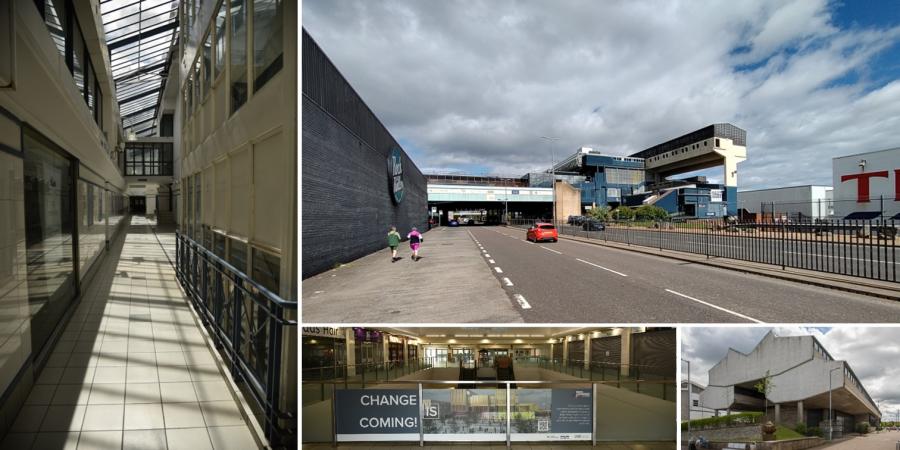
An exploration of a key moment in post war new town design philosophy - where it worked and where it hasn't.
Join friends and colleagues on this visit to Cumbernauld New Town. Meet at Cumbernauld Railway Station by 10.00am. (The 9.26 train from Glasgow Queen Street Station arrives at Cumbernauld at 9.56)
Cumbernauld is arguably the UK’s most important new town. Designed as a "new town for the motor age," the plan by architect Geoffrey Copcutt sought to resolve the relationship between the modern urban environment and the automobile.
The design aimed for the complete segregation of pedestrians and vehicles, allowing people to walk through the town without ever crossing a busy road.
Inspired by Italian hilltop towns, the multi-storey town centre was built as a single massive structure ("megastructure") to house shops, offices, a hotel, and apartments at the absolute core of the community.
Residential areas were kept compact—with a maximum 45-minute walk to the centre—and featured minimal local amenities like corner shops to ensure the central megastructure served as the active heart of the town.
The megastructure is set to be demolished, providing one of the last opportunities to view the scheme, and reflect on its successes and flaws.
What are its weaknesses?
The Megastructure that is the heart of Cumbernauld:
- the centre was never built out to the extent intended
- there is one major centre, and nothing else apart from very small neighbourhood shops.
- parts of the megastructure were selectively rebuilt and added to - losing the original design intent and losing legibility
- the hill top town idea did not respond well to driving rain from the Atlantic.
- retail patterns changed, with competition coming from nearby out of town shopping and online retail.
- COVID 19 accelerated the change with more and more shops in the centre falling vacant.
- lack of maintenance - leading to the structure being associated with decline, rather than a model of modernity.
The Residential Areas
- Designed according to the Radburn pattern
- Built to a higher density than the first series of British New Towns
- Houses with innovations in architectural design (including flat roofs)
