
University of Westminster
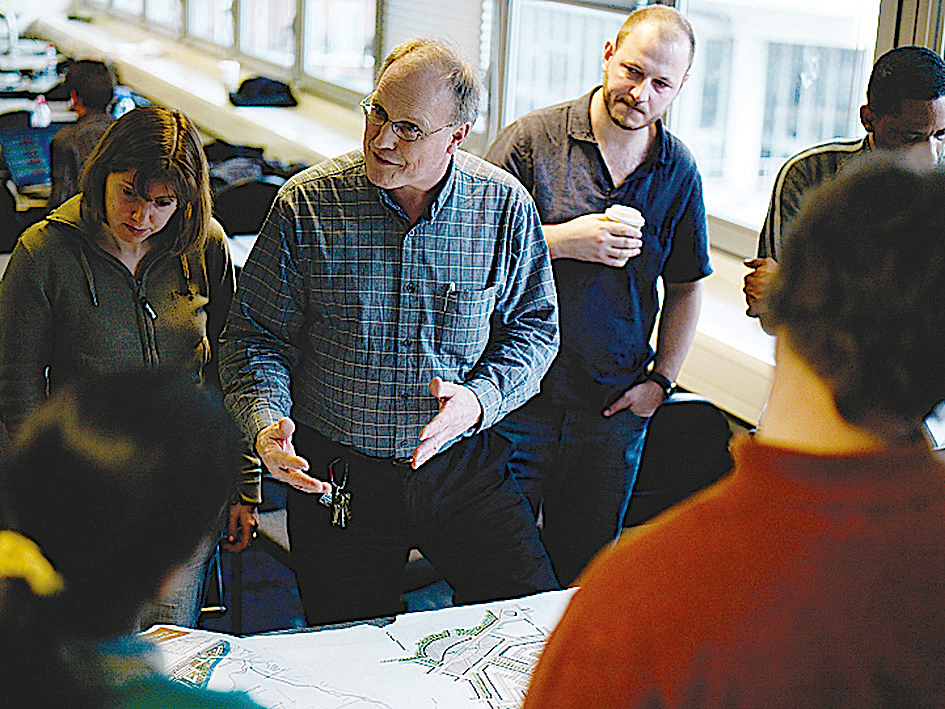

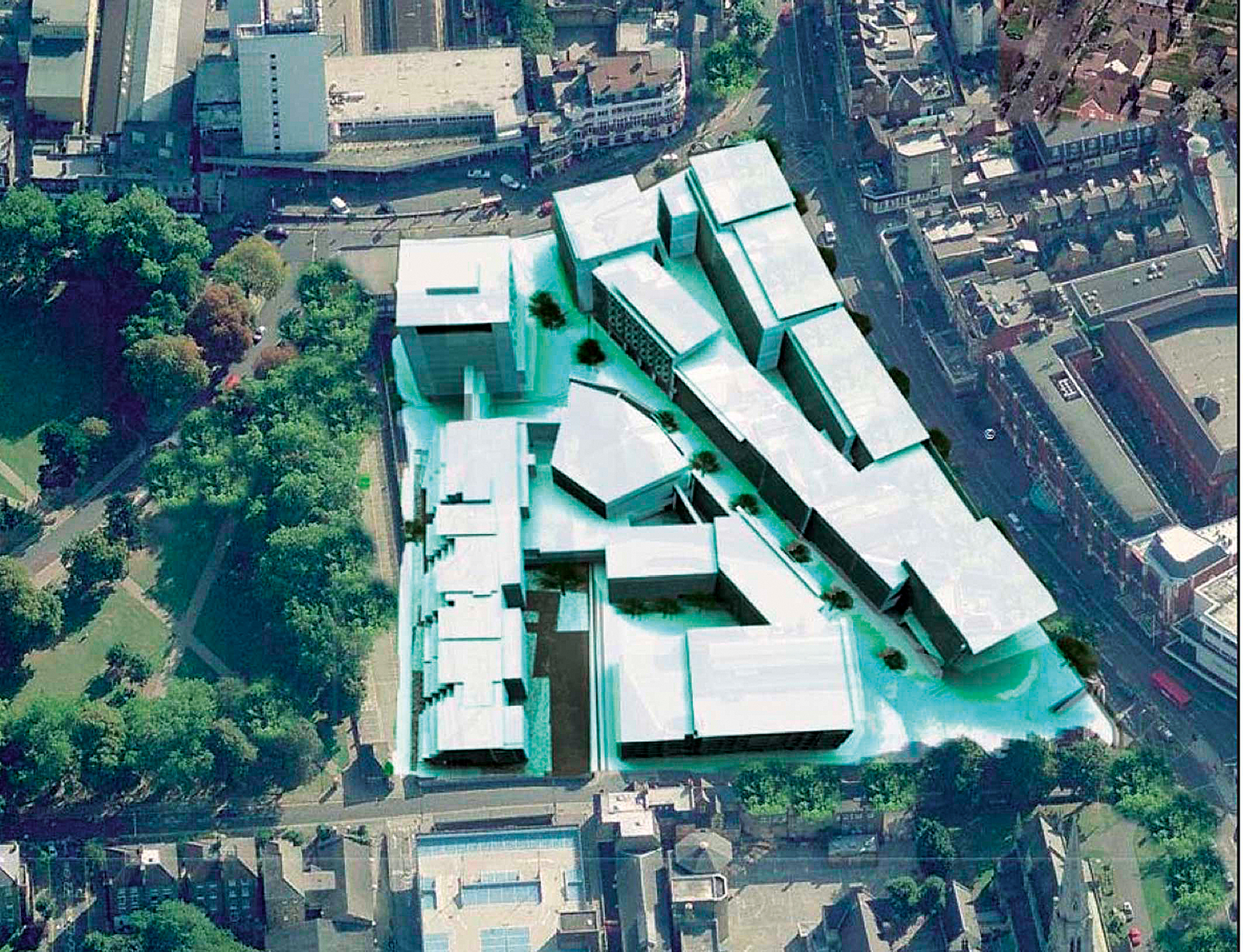


The MA in Urban Design course provides flexible preparation for professionals entering urban design practice. This programme is designed to combine practical experience with advanced professional training, supported by a structured approach to urban design theory and method. Much of the teaching is project-based, exploring the urban context and design solutions at differing scales. The modules associated with the course provide an opportunity to work collaboratively with people from different disciplines, including architecture, planning, landscape architecture, transport planning, geography, engineering and environmental design.
We offer three course awards:
- The MA in Urban Design (part-time or full-time) attracts highly motivated students seeking a solid basis for urban design practice. Such students are typically mid-career professionals seeking to consolidate experience or specialise, as well as recent graduates of related built-environment disciplines from home and abroad. Each year, a small number of students also come from non-design backgrounds with an interest in urbanism, adding their distinctive perspective to well-rounded cohorts.
- The Postgraduate Diploma in Urban Design (part-time or full-time) includes all the taught components of the MA but excludes the dissertation and research methods modules. It is attractive to students looking for a bridging course in urban design, especially those who already hold a master's degree.
- The Postgraduate Certificate in Urban Design (part-time only) equips built environment practitioners with the essential skills to engage effectively with urban design. It is attractive to students who do not wish to commit to the full MA programme; some students take this as an entry point and later transfer to the Diploma or even the MA.
The urban design academic staff conducts research on topics including sustainable heritage, flooding and its relationship to urban form, terrain vague, urban regeneration, public realm design, mobility and placemaking, disaster risk, and sustainable development and urban resilience more broadly. Funders range from internal bodies such as the Quintin Hogg Trust to external bodies such as the EU's Horizon Fund, the British Council, the Leverhulme Trust, and the British Academy. There is also a number of full-time and part-time PhD research students engaged on various urban studies topics, many of which focus on design.
